The hidden cost of a broken employee onboarding process

New hires who experience poor onboarding are twice as likely to look for another job within the first year. That statistic alone should make every operations person sit up straight. But the real cost runs deeper than turnover.
When new hire onboarding fails, everyone pays
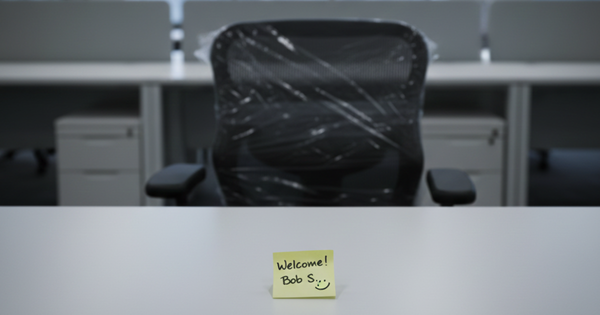
Picture day one for your new hire. No desk. The laptop is still in procurement. Nobody told IT to create accounts, so they're locked out of email. They sit there, expensive and idle, while someone scrambles to borrow a chair from a colleague on vacation. You make a mental note to remind the new person to return the chair when theirs finally arrives. You won't remember.
This isn't a hypothetical. I've witnessed this scene play out dozens of times across different companies. The new hire learns something on day one, and it isn't the job. They learn what kind of company they've joined. That chaotic first impression sets a bar - and not the one you want.
Why spreadsheets and checklists don't fix onboarding
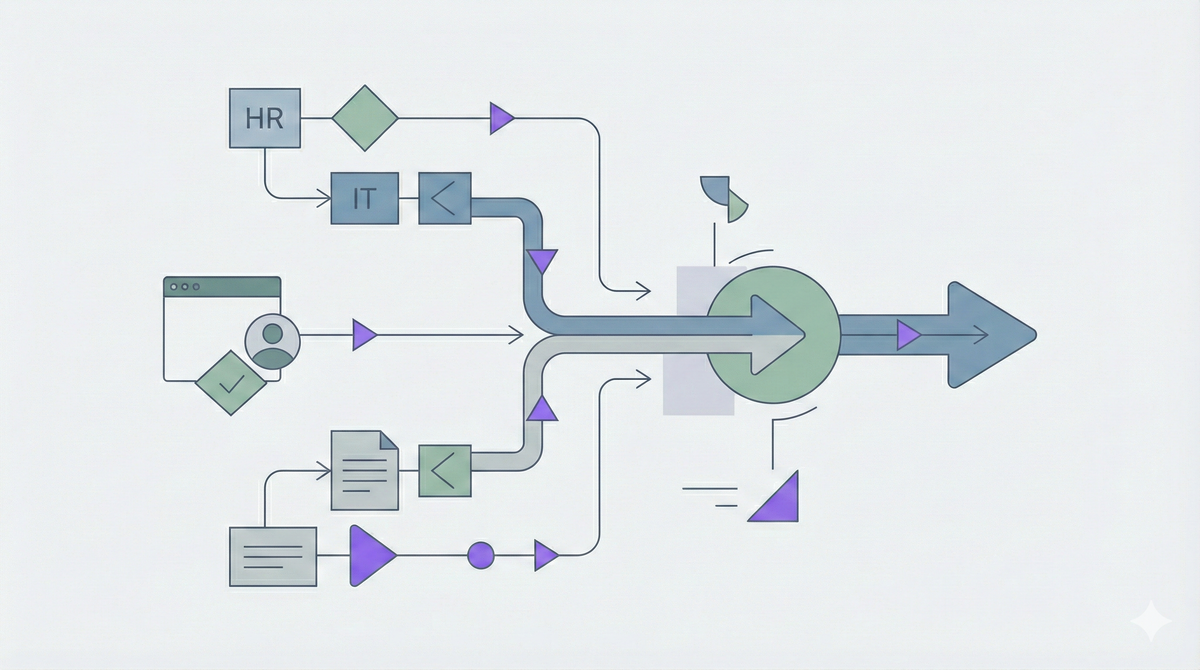
Onboarding failures rarely stem from negligence. The problem is structural. A single new hire touches HR, IT, facilities, finance, and their direct team. Five departments, five different systems, zero coordination.
Most companies try to wrangle this with spreadsheets or project management tools. Neither works. A spreadsheet is a static document that someone has to manually check and update. Project management tools like Asana or Trello are built for resource allocation and status communication - not for ensuring recurring tasks actually get done. They're designed to answer "where are we on the Henderson project?" not "did someone order Sarah's laptop three weeks before her start date?"
The result is predictable. Balls get dropped. Someone becomes the human process engine - the person who spends their days pinging colleagues, checking spreadsheets, and keeping everything from falling apart through sheer force of will.
How I became the onboarding tool
I've received consistent praise for running smooth onboardings throughout my career. New hires showed up to a desk, a working laptop, active accounts, and a welcome email explaining their first week. Their calendar already had meetings with HR, finance, and their tech lead.
Here's what that praise actually cost me. Every single day for weeks before each start date, I would review my checklist and chase people down. Did facilities confirm the desk? Has IT ordered the laptop? Did finance set up payroll? I was the reminder system. I was the accountability mechanism. I was the tool.
It worked, but it didn't scale. And it certainly wasn't a good use of my time. I would have paid handsomely for software that could handle the orchestration - something that knew the process, assigned the tasks, tracked the deadlines, and escalated when things slipped.
What good onboarding actually signals
When everything is ready on day one, you communicate something powerful. You tell the new hire that this is how things work here. Details matter. Commitments get kept. Bring your A-game, because we've certainly brought ours.
That warm, professional welcome sets the tone for their entire tenure. And the research backs this up - employees who rate their onboarding highly show significantly higher engagement and longer retention.
A process problem needs a process solution
This isn't about working harder or being more organized. Onboarding fails because it's a recurring cross-departmental process being managed with tools designed for something else entirely. The fix isn't a better spreadsheet template. It's purpose-built software that treats onboarding like what it is - a repeatable process that needs to execute flawlessly every single time.
That's precisely what I'm building with Process Oak.