The real cost of botched employee onboarding

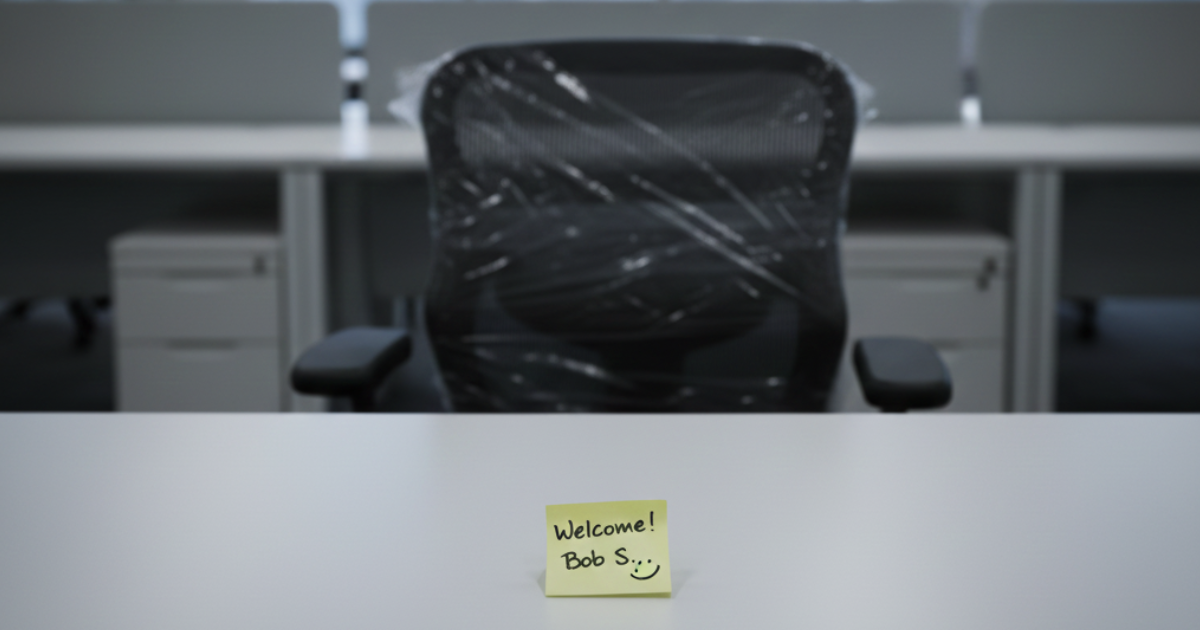
Employees who have a poor onboarding experience are twice as likely to start job hunting soon after joining. That's not a vague correlation - it's a direct line from chaotic first week to updated CV and exit interview.
The numbers get worse. Research from SHRM shows 20% of employees quit within the first 45 days. Work Institute found that 37.9% of people who leave a company do so within their first year. And when someone walks, SHRM estimates replacement costs (recruitment, training, lost productivity) run 50-60% of their annual salary. So when your €60,000 developer quits after four months, you're looking at roughly €35,000 to replace them - before counting the months of lost productivity while the next person ramps up.
The first week sets the trajectory
Here's the kicker: Gallup found that only 12% of employees strongly agree their organization does a great job onboarding. Twelve percent. That means seven out of eight companies are fumbling the single best opportunity to retain the people they just spent thousands recruiting.
On the flip side, 69% of employees who have an exceptional onboarding experience are likely to stay for at least three years. The difference between keeping someone for three years versus losing them in three months often comes down to whether their laptop was ready on day one.
Why the damage compounds
A botched first week doesn't just risk losing that one hire. It ripples outward. The hiring manager spends hours firefighting instead of actually managing. IT gets blamed for things that were never communicated to them. HR fields complaints. Everyone's irritated, and the new person hasn't even started contributing yet.
Then there's the cultural signal. Existing employees watch how new hires get treated. When someone shows up to chaos, the message is clear: details slip here. That's not the reputation you want, especially if you're trying to hire more people.
The fix isn't heroics
Some companies solve this by having one person who "just handles it" - the human process engine who tracks every detail, sends every reminder, catches every ball. It works, but it doesn't scale. And it's a miserable job.
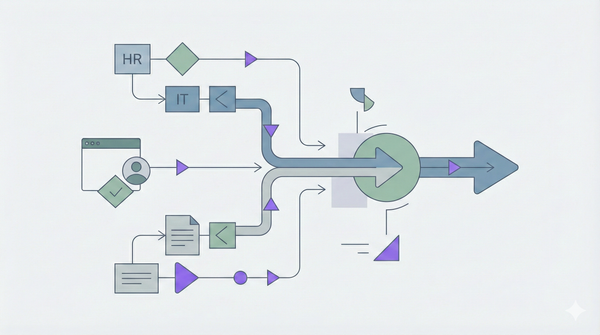
The actual fix is treating onboarding like what it is: a recurring cross-departmental process that needs to execute the same way every time. Not a project. Not a checklist someone might remember to check. A proper process with owners, deadlines, and visibility.
That's what I'm building with Process Oak. If you've ever calculated what a failed hire actually cost you, you already know why it matters. We launch Q1 2026 - join the waitlist at processoak.com.