Why I'm building Process Oak

It's 2023 and I'm staring at my calendar, counting recurring reminders. Security audit. Book salary meetings. Set up the spring hackathon. Book the offsite. Remind the team about goal-setting. Fifteen, maybe twenty items that exist nowhere except my head and my personal calendar. If I got hit by a bus, nobody would know these things needed doing until they didn't get done.
I'd been running SaaS companies for over fifteen years at that point. Co-founded Avail Intelligence in 2001, scaled it to European market leader, merged with RichRelevance. Later co-founded Kollektiva, grew it to 30,000 users. I've done the startup thing a few times. And every single time, the same problem showed up. Recurring processes live in people's heads or a tool that it is not made for it. And this is unreliable.
The certificate that almost killed us
Back when HTTPS certificates needed manual renewal - before Let's Encrypt made this automatic - we had one protecting our APIs. Several major e-commerce companies in Europe were calling our APIs. H&M, La Redoute, Boots. If that certificate expired, every single customer integration would go down simultaneously. No warning, no graceful degradation. Just down. No escalation if someone missed it. Just a calendar entry that one person knew about. We didn't miss it. But we could have. And "we got lucky" is not a process.
The CFO who forgot to pay taxes
At one company, the CFO forgot to pay taxes on time. Not because he was incompetent - he was good at his job. He just had too many things to track and one slipped through. What would have caught this? A dashboard where the CEO could see overdue tasks across the leadership team. An escalation when something critical went unfinished. A system that made "did the important things get done?" visible at a glance. We didn't have that. We had spreadsheets and trust.
The onboarding that wasn't
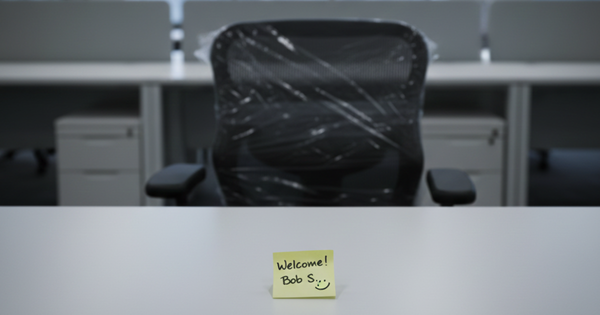
I've lost count of how many times I've heard someone say "I showed up for my first day and there was no computer". Or no accounts. Or nobody knew the new hire was coming.
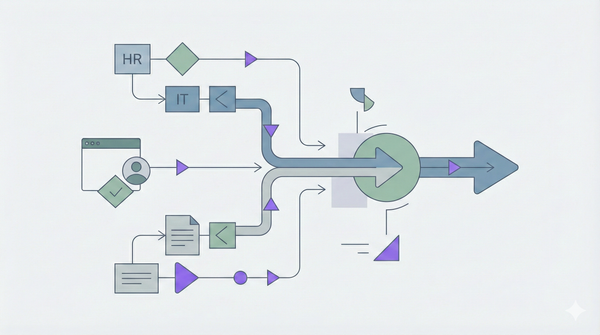
It's not malice. It's that onboarding is a recurring process with fifteen steps involving four departments, and it lives in a Google Sheet that HR updates when they remember to. I once heard that Tetra Pak - a massive multinational - manages processes like this in Excel. And I've seen a gaming studio with 400 employees that had a dedicated "process person" because their Microsoft tool was too complicated for anyone else to use. That's not the way to go. You shouldn't need a specialist to set up a recurring processes.
I have received a lot of praise for the onboarding to my team. This was because it was very important to me to make a great first day impression. To set the bar. To make the person feel important, appreciated and welcome. This happened not because of some tool, but in-spite of some tool to support me in the endeavor. It happened because I spent the time and attention on it. But I wished I had a tool to support me.
Why project management tools don't work
I've tried Asana, Trello, Jira and many more. Project management tools feel like they should work for recurring processes, but they solve the wrong problem. Which makes them an anti-pattern. You think they solve the problem creating a false sense of safety, but they are solving a different problem. Project management is about optimizing resource allocation - who's working on what, are we on schedule, where are the bottlenecks. Recurring process management is different. It's about not dropping the ball. Did payroll get run? Did the new hire get their laptop? Did someone review who still has access to the production database?
The metric isn't "how efficiently did we use our time". It's "did the thing get done, yes or no".
So I'm building it
Process Oak is a recurring process manager for SMEs. Onboarding, offboarding, payroll, audits, compliance - the stuff that has to happen on schedule, every time, without relying on someone's memory.
I'm building it because I've spent 25 years wishing it existed. Because I've personally felt the pain of being the "human workflow engine" - the person who holds all the recurring knowledge and hopes they don't forget anything. And because I can. I've built complex SaaS products from first line of code to market leader before. I understand the problem space because I've lived in it. And I think I can build something better than what's out there.
Process Oak launches Q1 2026. If you've ever been the person who "just remembers" all the recurring stuff - follow along. I'm building this for us.